2026-09-06 · Mike Torres
Can a Metal Roof Withstand Hail and Hurricane-Force Winds in Houston?
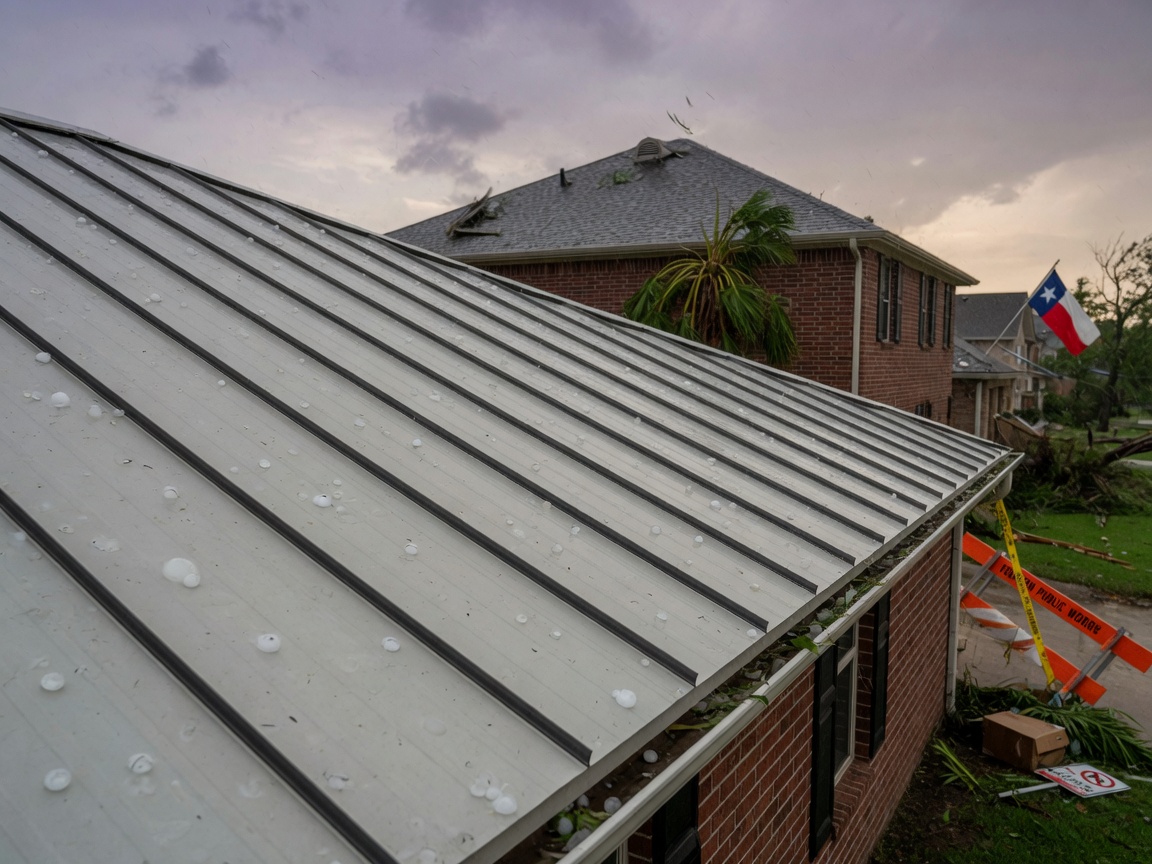
Yes, metal roofs in Houston can withstand hail up to 2 inches in diameter and hurricane-force winds exceeding 130 mph when using 24-gauge or thicker panels with proper fastening. This holds in Harris County neighborhoods such as Montrose, River Oaks, Heights, Midtown, and Downtown where older homes often feature steep pitches and limited attic ventilation that increase uplift risks during storms.
Wind Performance in Subtropical Conditions
Houston's subtropical climate brings hot humid summers and mild winters that cause repeated thermal expansion on metal panels. In areas like the Heights and River Oaks, homes built before 1980 often sit on pier-and-beam foundations with irregular roof planes that require custom flashing to prevent wind-driven rain entry. Standing seam systems fastened at 12-inch intervals resist uplift better than exposed-fastener panels during 100-plus mph gusts common in tropical storms. Installers working from 8700 Long Point Rd note that adding ridge vents and sealed underlayment reduces pressure differentials that tear older asphalt shingles. standing seam metal roofing details show how clip systems allow movement without loosening screws in humid conditions.
Hail Resistance Factors
Hail events in Harris County typically produce stones between 1 and 2 inches, which dent but rarely penetrate 24-gauge steel or aluminum panels. In Midtown and Downtown, low-slope commercial roofs benefit from 26-gauge material with textured finishes that deflect impact better than smooth surfaces. Homeowners in Montrose often see minor cosmetic denting after storms yet retain full waterproofing because seams and fasteners stay intact. Panels thicker than 0.023 inches handle repeated strikes without cracking, unlike thinner exposed-fastener options that develop leaks at screw points. Proper slope and valley design in River Oaks properties further channels hail away from seams before melting occurs.
Local Installation Realities
Houston terrain includes flat coastal plains with clay soils that expand during heavy rain, stressing roof edges on older Heights homes. Crews schedule work around summer humidity that slows sealant curing and winter mild spells that allow year-round installs. Katy, Sugar Land, and Pearland projects require extra ridge bracing because open fields allow stronger straight-line winds than tree-lined Montrose streets. metal roof installation crews check existing decking for rot caused by prior leaks before adding new panels. Standing Seam vs. Exposed-Fastener Metal Roofs: Which Is Better for Houston Homes? compares fastening patterns that hold through 140 mph gusts recorded near Minute Maid Park.
Maintenance After Storms
Post-storm inspections focus on fastener torque in humid conditions where corrosion starts at exposed screw heads within 3 years. Owners in Bellaire and West University Place schedule checks every 2 years to re-seal valleys before the next hurricane season. Metal roof repair crews from the Long Point Road shop carry spare clips and butyl tape suited to local wind loads. metal roof repair & maintenance records show that prompt tightening after a 2021 derecho prevented widespread uplift on several Midtown properties. Regular cleaning of debris from gutters reduces ice dam risks during rare winter freezes that follow mild periods.